Spasticity after stroke, the involuntary tightening of muscles that pulls an arm into a bent position or turns a foot inward, is common and treatable, but no single treatment fixes it. The best-supported approaches are daily positioning and movement, physiotherapy and occupational therapy, botulinum toxin injections given by a doctor for focal spasticity, and electrical stimulation; oral medicines help some people at the cost of drowsiness. High-intensity electromagnetic therapy (HIEMT), a form of repetitive peripheral magnetic stimulation, is a newer adjunct with small, short-term studies behind it.
If spasticity is accompanied by sudden new weakness, slurred speech, facial droop, severe headache, or a hot, swollen, painful calf, call 108 or 112. These may be signs of a new stroke or a blood clot, not of spasticity.
What Is Post-Stroke Spasticity?
After a stroke, the brain loses some of its ability to regulate muscle tone through the spinal cord, and stretch reflexes become overactive. The clinical definition is a velocity-dependent increase in muscle tone: the faster a limb is moved, the more resistance it gives. Over months, untreated spasticity can shorten muscles and tendons into fixed contractures, which no injection or machine can undo.
Typical patterns are a bent elbow, a flexed wrist, fingers curled into the palm, an inward-turning foot and clawed toes. It causes pain, broken sleep, skin problems in the palm or armpit, and difficulty with dressing, washing and transfers.
How Common Is It?
It depends on who is counted. A 2020 meta-analysis of 23 cohort studies found a pooled prevalence of 25.3% after stroke overall, rising to 39.5% among people with weakness after a first stroke; disabling or severe spasticity affected about 10% (Zeng et al., 2020). A 2013 review of the literature reported estimates ranging from 4% to 42.6% depending on the timing and method of assessment (Wissel et al., 2013).
The often-quoted figures of 45% and 20% come from a single-centre study of 121 patients who all had hemiparesis: 45% had spasticity at three months (15% severe) and 35% at one year (20% severe), and those with spasticity had worse physical functioning, more pain and lower vitality (Schinwelski et al., 2019). It can appear early: about a quarter of patients in a German cohort had increased tone within two weeks (Wissel et al., 2010).
Which Treatments Work? A Family Comparison Table
| Option | What it involves | Evidence in brief |
|---|---|---|
| Positioning, stretching and movement | Daily routines taught by physiotherapists and carers; splints or casts in selected cases | Guidelines recommend it; a Cochrane review found stretch alone does not change joint range much, so it is a foundation, not a cure |
| Physiotherapy and occupational therapy | Task practice, strengthening of the opposing muscles, hand and walking retraining | Core of every spasticity plan; NICE and AHA/ASA recommend intensive task-specific therapy |
| Botulinum toxin injections | A doctor injects the spastic muscles every 3 months or longer, with therapy afterwards | Strongest evidence for focal spasticity (AHA/ASA Class 1, Level A; NICE) |
| Oral medicines (e.g. baclofen, tizanidine) | Tablets for widespread spasticity | May reduce tone but often cause drowsiness; Cochrane found insufficient evidence for improved function |
| NMES / FES / TENS | Surface electrodes stimulate muscles or nerves during therapy | Modest reduction in tone and better joint range in a meta-analysis of 29 trials; NICE suggests a trial for focal spasticity |
| rTMS / tDCS (brain stimulation) | Magnetic or electrical stimulation of the scalp | Large network meta-analysis found small short-term effects on spasticity; adjunct only |
| HIEMT / rPMS (magnetic stimulation of the limb) | Coil placed over the muscle; strong contractions without skin contact | Small trials show short-term tone reduction; effects fade after treatment; more research needed |
Positioning, stretching, splints and casts
Daily positioning and gentle movement through the full range are the first line in every guideline, and families deliver most of it. The evidence has limits: a Cochrane review of 49 trials found high-quality evidence that stretching alone produces no clinically important short-term change in joint range in neurological conditions (Harvey et al., 2017). The 2026 American Heart Association/American Stroke Association guideline still considers stretching programmes reasonable and says serial casting or static splints may be considered to reduce contractures, but it does not recommend splints or taping to prevent wrist and finger spasticity (Richards et al., 2026). NICE advises against routinely offering wrist and hand splints, reserving them for people with immobile hands at risk of contracture (NICE NG236, 2023). In short, position and move the limb daily to maintain range, but do not expect stretching alone to reverse spasticity.
Botulinum toxin injections
For spasticity concentrated in a few muscles (focal spasticity), botulinum toxin injected by a trained doctor has the strongest evidence. The 2026 AHA/ASA guideline recommends it for upper-limb spasticity that affects function and for lower-limb spasticity that interferes with walking, ideally with ultrasound or EMG guidance (Richards et al., 2026). NICE recommends it for focal upper-limb spasticity, with no more than one treatment every three months and the response monitored (NICE NG236, 2023).
A meta-analysis of 40 trials (2,718 patients) found robust evidence that botulinum toxin reduces resistance to passive movement and improves self-care of the affected hand and arm (washing the palm, dressing, cutting nails); it also significantly reduced spasticity-related pain and caregiver burden, though that evidence was less robust. It has no effect on how well the person can actively use the arm (Andringa et al., 2019). It makes therapy and care easier; it is not a cure for weakness, and the effect wears off after a few months.
Oral medicines
Baclofen, tizanidine and similar tablets act on the whole body. NICE suggests oral baclofen for generalised spasticity with close monitoring for side effects (NICE NG236, 2023). The AHA/ASA guideline notes they may reduce spasticity but can cause dose-limiting sedation, and a Cochrane review of seven trials found insufficient evidence that they improve function, with more adverse events than placebo (Lindsay et al., 2016). Never start, stop or adjust these medicines without the treating doctor.
Electrical stimulation (NMES, FES, TENS)
A review of 29 randomised trials (940 patients) found that NMES, combined with other treatment, modestly reduced spasticity and improved joint range (Stein et al., 2015). NICE suggests a trial of NMES, FES or TENS for people with focal spasticity after stroke (NICE NG236, 2023).
Brain stimulation (rTMS and tDCS)
A 2025 network meta-analysis in eClinicalMedicine pooled 185 randomised trials with 11,185 participants comparing botulinum toxin, rTMS, tDCS, NMES, TENS and peripheral magnetic stimulation. Botulinum toxin (the most effective option), rTMS, tDCS, NMES and TENS reduced spasticity scores in the short term, but not by enough to meet the authors' threshold for clinical importance; only certain forms of tDCS showed probable clinical importance at mid-term follow-up (Huang et al., 2025). Most included trials had some risk of bias, so brain stimulation is an adjunct with a modest, uncertain effect on spasticity. Read about rTMS at SENSE Health.
What Is HIEMT, and What Does the Evidence Actually Show?
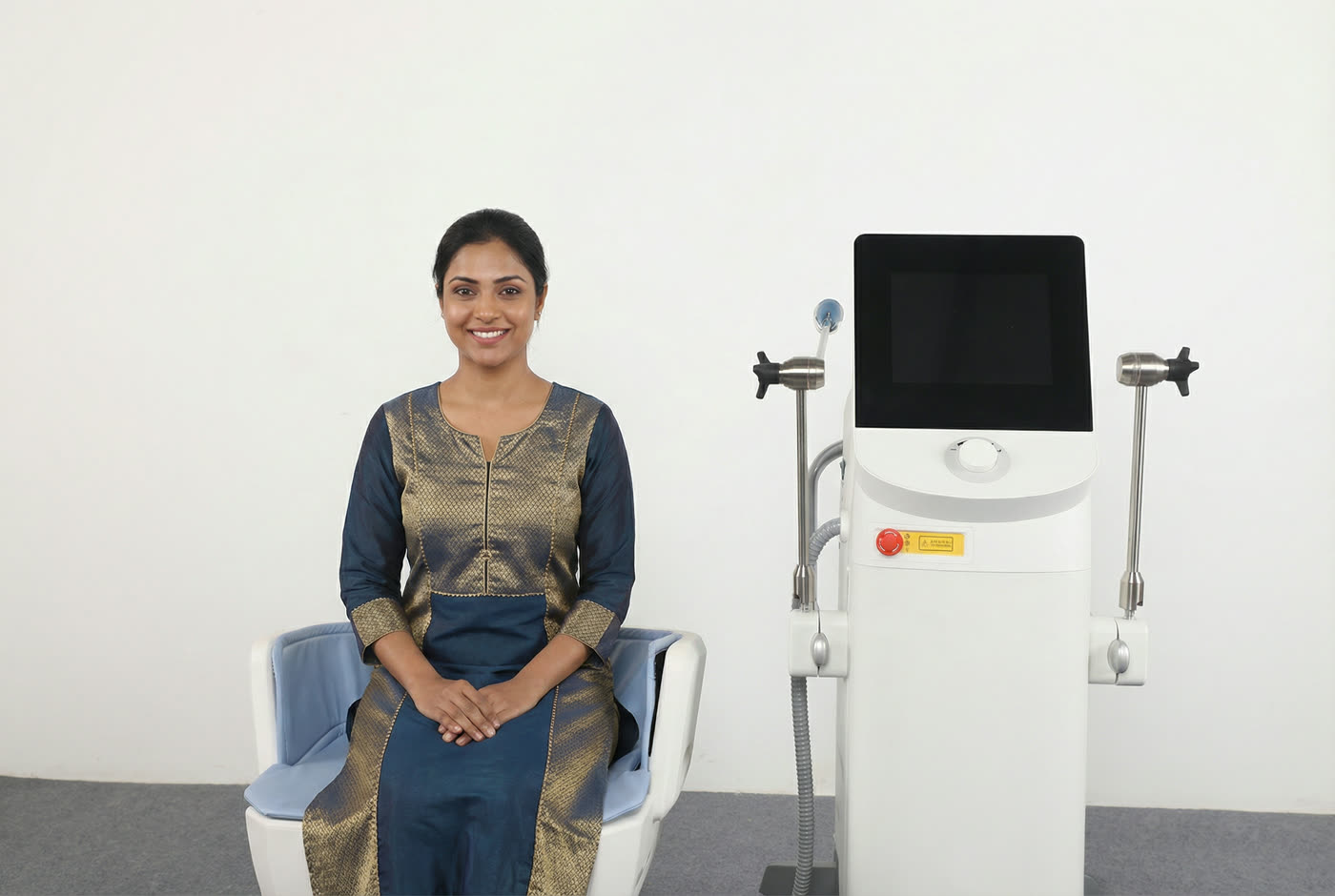
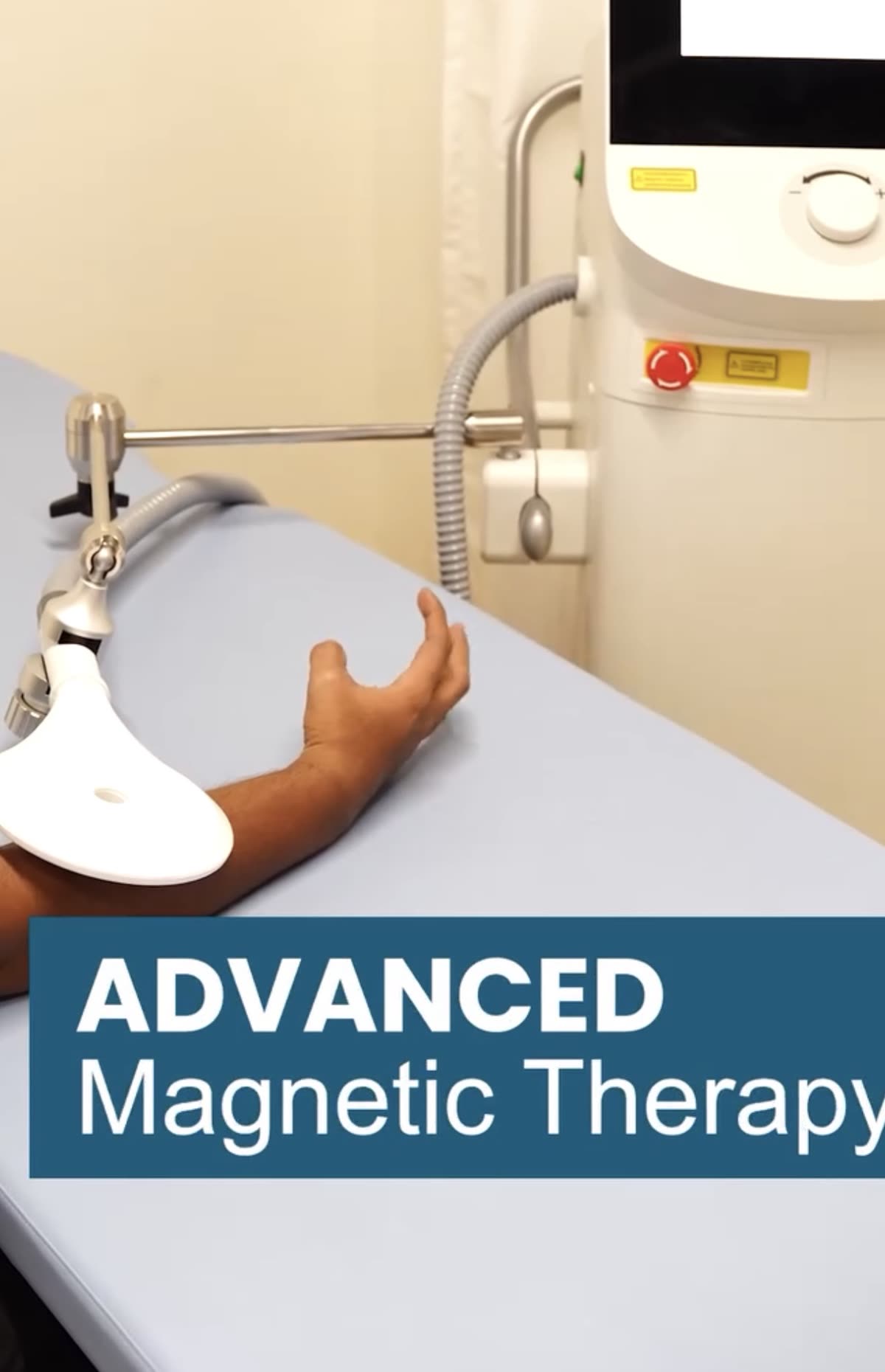
High-intensity electromagnetic therapy (HIEMT; also marketed as the Super Inductive System, and known in research as repetitive peripheral magnetic stimulation or rPMS) uses a coil over the muscle to produce a rapidly changing magnetic field that triggers strong contractions without electrodes or skin contact. The proposed mechanisms are reciprocal inhibition (stimulating the muscle opposite the spastic one to dampen its reflex) and reduced excitability after repeated contractions. Per the manufacturer, the device delivers up to 6 Tesla.
The evidence is small and short-term:
- A Cochrane review found only four trials with 139 participants and could not show a clear effect on daily activities or arm function; one trial suggested less elbow spasticity at follow-up (Sakai et al., 2019).
- In a sham-controlled trial of 66 patients, magnetic stimulation had limited effects on spasticity and none on arm movement (Krewer et al., 2014).
- A 2022 meta-analysis of eight trials (297 people) found an average reduction of about half a point on the Modified Ashworth Scale, with small gains in movement and daily activities (Pan et al., 2022).
- A 2022 trial of the Super Inductive System in 60 stroke patients compared two active protocols with no sham group; tone and independence scores improved after 10 days but faded by 30 days after treatment (Ciortea et al., 2022).
- Two small sham-controlled trials in 2026 (32 and 46 patients) found short-term reductions in elbow flexor spasticity that were not sustained or were inconsistent across measures (Khawprapa et al., 2026; Yılmaz et al., 2026).
- In the 185-trial network meta-analysis above, peripheral magnetic stimulation was tested in only three studies and was not significantly better than control for spasticity (Huang et al., 2025).
In plain language: HIEMT can produce a temporary reduction in muscle tone that may make a therapy session more productive, it is non-invasive and well tolerated, and there is no good evidence yet that it changes long-term spasticity or function. We offer it as one adjunct within a plan built on therapy, positioning and, where needed, botulinum toxin, never as a stand-alone treatment.
What Spasticity Does to Daily Life, and When to Seek Help
Spasticity makes dressing, bathing and transfers harder, disturbs sleep, damages skin where fingers press into the palm, and blocks rehabilitation: a hand that will not open cannot practise grasp. Tell the rehabilitation doctor if:
- Pain is increasing or disturbing sleep
- A joint is becoming fixed and can no longer be moved through its range
- The skin in the palm, armpit or groin is red, broken or smelling
- Walking is getting harder because the foot turns in or the toes claw
- Spasticity suddenly worsens, which can be a sign of a hidden problem such as a urine infection, constipation, a pressure sore or an ingrown toenail
Spasticity Management at SENSE Health
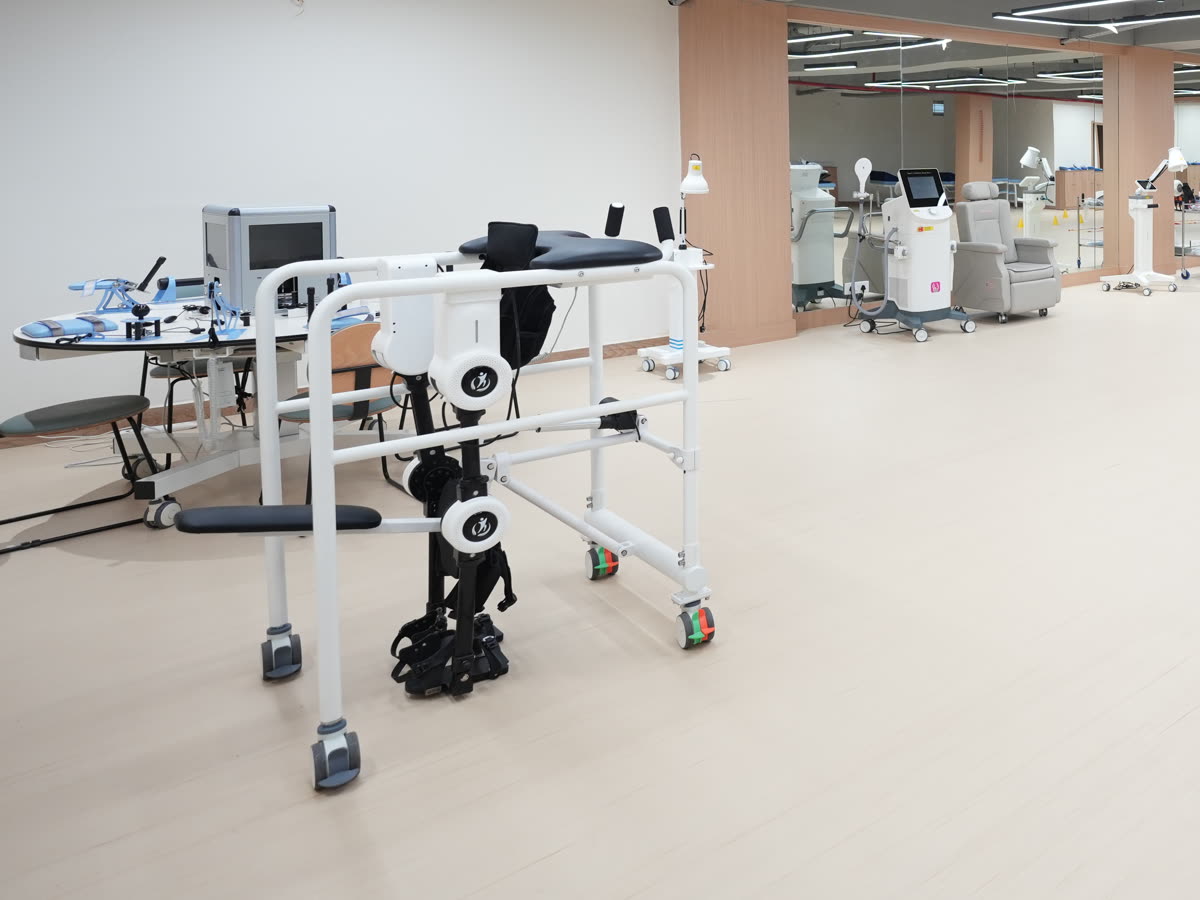
At SENSE Health in Kalyan Nagar, our consultant physiatrist, Dr. Vaibhav Shivram Lokhande, assesses spasticity and sets the plan: positioning and carer training, physiotherapy and occupational therapy, NMES, and an assessment of whether splints or botulinum toxin injections are needed when focal spasticity limits function or care. HIEMT is part of our Advanced inpatient package; rTMS is offered as an adjunct after medical assessment and charged per session; and we explain the evidence before you choose. Inpatients have 24/7 doctors and a 24/7 emergency response team. Before admission you receive a written package sheet listing what is included and what is charged separately, explained and signed before you decide.
See our guides to hemiplegic arm rehabilitation and stroke rehabilitation in Bengaluru, and, for the orthopaedic use of the same technology, high-intensity electromagnetic therapy after surgery.
Visiting Us in Kalyan Nagar
SENSE Health is at AVR Heights, 100 Feet Road, HRBR Layout 1st Block, Kalyan Nagar, Bengaluru 560043, near Banaswadi, Kammanahalli and Hennur, and reachable from Indiranagar, Hebbal and Ramamurthy Nagar. Bring the discharge summary, the current medicine list (including dates of any botulinum toxin injections) and any splints in use. The initial consultation is free, and inpatient assessment is available for people who need a full programme.
OPD hours: Monday to Saturday, 9 AM to 7 PM.
Call +91 96633 34659, WhatsApp us, email listen@sensehealth.co.in, or get directions.
Sources
- Zeng H, Chen J, Guo Y, Tan S. Prevalence and risk factors for spasticity after stroke: a systematic review and meta-analysis. Frontiers in Neurology. 2020.
- Wissel J, Manack A, Brainin M. Toward an epidemiology of poststroke spasticity. Neurology. 2013.
- Schinwelski MJ, et al. Prevalence and predictors of post-stroke spasticity and its impact on daily living and quality of life. Neurologia i Neurochirurgia Polska. 2019.
- Wissel J, et al. Early development of spasticity following stroke: a prospective, observational trial. Journal of Neurology. 2010.
- Harvey LA, et al. Stretch for the treatment and prevention of contractures. Cochrane Database of Systematic Reviews. 2017.
- Richards LG, et al. 2026 Guideline for Adult Stroke Rehabilitation and Recovery: a guideline from the American Heart Association and American Stroke Association. Stroke. 2026.
- National Institute for Health and Care Excellence. Stroke rehabilitation in adults (NG236). NICE. 2023.
- Andringa A, et al. Effectiveness of botulinum toxin treatment for upper limb spasticity poststroke over different ICF domains: a systematic review and meta-analysis. Archives of Physical Medicine and Rehabilitation. 2019.
- Lindsay C, et al. Pharmacological interventions other than botulinum toxin for spasticity after stroke. Cochrane Database of Systematic Reviews. 2016.
- Stein C, et al. Effects of electrical stimulation in spastic muscles after stroke: systematic review and meta-analysis of randomized controlled trials. Stroke. 2015.
- Huang J, et al. Comparative efficacy and acceptability of non-invasive neuromodulation technologies and botulinum toxin injections for post-stroke spasticity and motor function: a network meta-analysis of randomised controlled trials. eClinicalMedicine. 2025.
- Sakai K, et al. Repetitive peripheral magnetic stimulation for impairment and disability in people after stroke. Cochrane Database of Systematic Reviews. 2019.
- Krewer C, et al. Effects of repetitive peripheral magnetic stimulation on upper-limb spasticity and impairment in patients with spastic hemiparesis: a randomized, double-blind, sham-controlled study. Archives of Physical Medicine and Rehabilitation. 2014.
- Pan JX, et al. Effects of repetitive peripheral magnetic stimulation on spasticity evaluated with modified Ashworth scale/Ashworth scale in patients with spastic paralysis: a systematic review and meta-analysis. Frontiers in Neurology. 2022.
- Ciortea VM, et al. Effects of high-intensity electromagnetic stimulation on reducing upper limb spasticity in post-stroke patients. Applied Sciences. 2022.
- Khawprapa S, et al. Effects of repetitive peripheral magnetic stimulation versus sham stimulation on upper limb spasticity after stroke: a double-blind randomized controlled trial. Neurology International. 2026.
- Yılmaz S, et al. Effects of repetitive peripheral magnetic stimulation on post-stroke upper extremity spasticity using ultrasound elastography: a randomized controlled trial. Turkish Journal of Physical Medicine and Rehabilitation. 2026.
This article is for general education and does not replace advice from your own doctor. If symptoms are sudden or severe, call 108 or go to the nearest emergency department.