rTMS Therapy in Bangalore
(Transcranial Magnetic Stimulation)
SENSE Health is one of the very few dedicated stroke and neuro rehabilitation hospitals in Bangalore offering Repetitive Transcranial Magnetic Stimulation (rTMS) — a non-invasive, evidence-based brain stimulation therapy that accelerates motor and cognitive recovery after stroke.
The 2020 international evidence-based guidelines on rTMS granted Level A evidence of efficacy to inhibitory contralesional rTMS for upper limb motor recovery after stroke — the highest level of evidence classification.
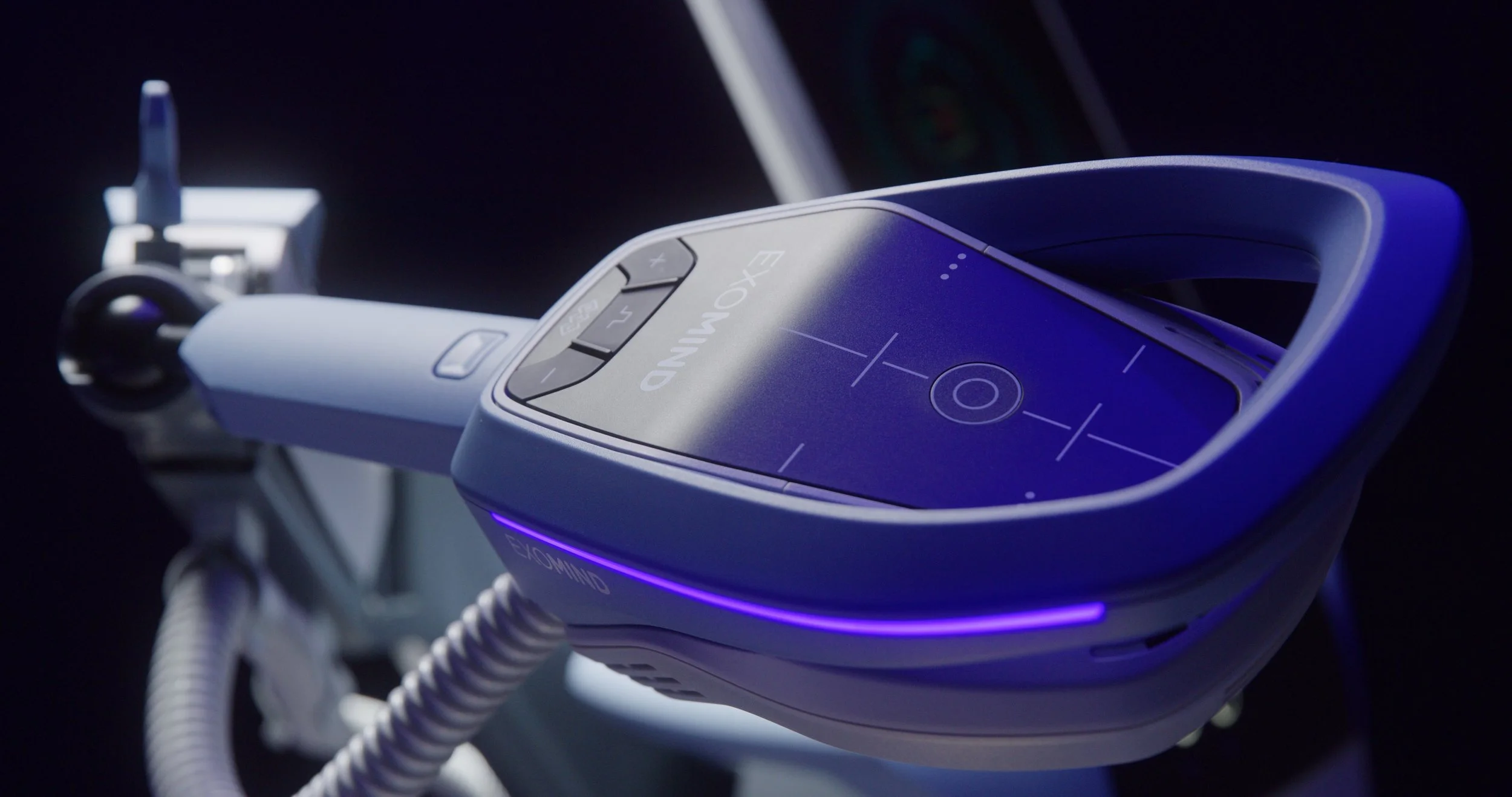
What Is rTMS and How Does It Work?
Repetitive Transcranial Magnetic Stimulation uses a magnetic coil placed near the scalp to generate brief, painless magnetic pulses. These pulses pass through the skull and stimulate neurons in targeted cortical regions without surgery, anaesthesia, or skin contact.
After a stroke, the two hemispheres of the brain become imbalanced — the unaffected hemisphere often becomes overactive and inhibits the damaged hemisphere, slowing recovery. rTMS can address this in two ways:
Applied to the healthy hemisphere to reduce its overactivity, allowing the damaged hemisphere to receive stronger neural signals and recover faster.
Applied directly to the damaged hemisphere to stimulate neural activity, promote neuroplasticity, and accelerate functional recovery of motor and cognitive abilities.
When combined with physiotherapy, rTMS amplifies the neuroplastic response — making each therapy session more effective. A 2023 review in Stroke (AHA Journals) examined the evidence for rTMS in both motor and cognitive stroke recovery.
What the Clinical Evidence Shows
The 2020 international evidence-based guidelines on rTMS granted Level A evidence — the highest classification — for inhibitory contralesional rTMS in upper limb motor recovery after stroke.
Source: International Guidelines 2020In a retrospective review, 70% of stroke patients showed significant improvement in one or more measurements when rTMS was combined with physiotherapy. Bilateral stimulation patients were 2.8× more likely to improve.
Source: Cureus / PubMedA meta-analysis of 19 studies with 865 stroke patients found both inhibitory and excitatory rTMS significantly improved upper extremity function (FMA-UE) and Barthel index scores.
Source: PMC Meta-AnalysisSources: PMC — rTMS Molecular Mechanisms in Stroke · PMC — rTMS Upper Limb Recovery Meta-Analysis · AHA Journals — rTMS for Stroke Recovery (2023)
What Can rTMS Treat?
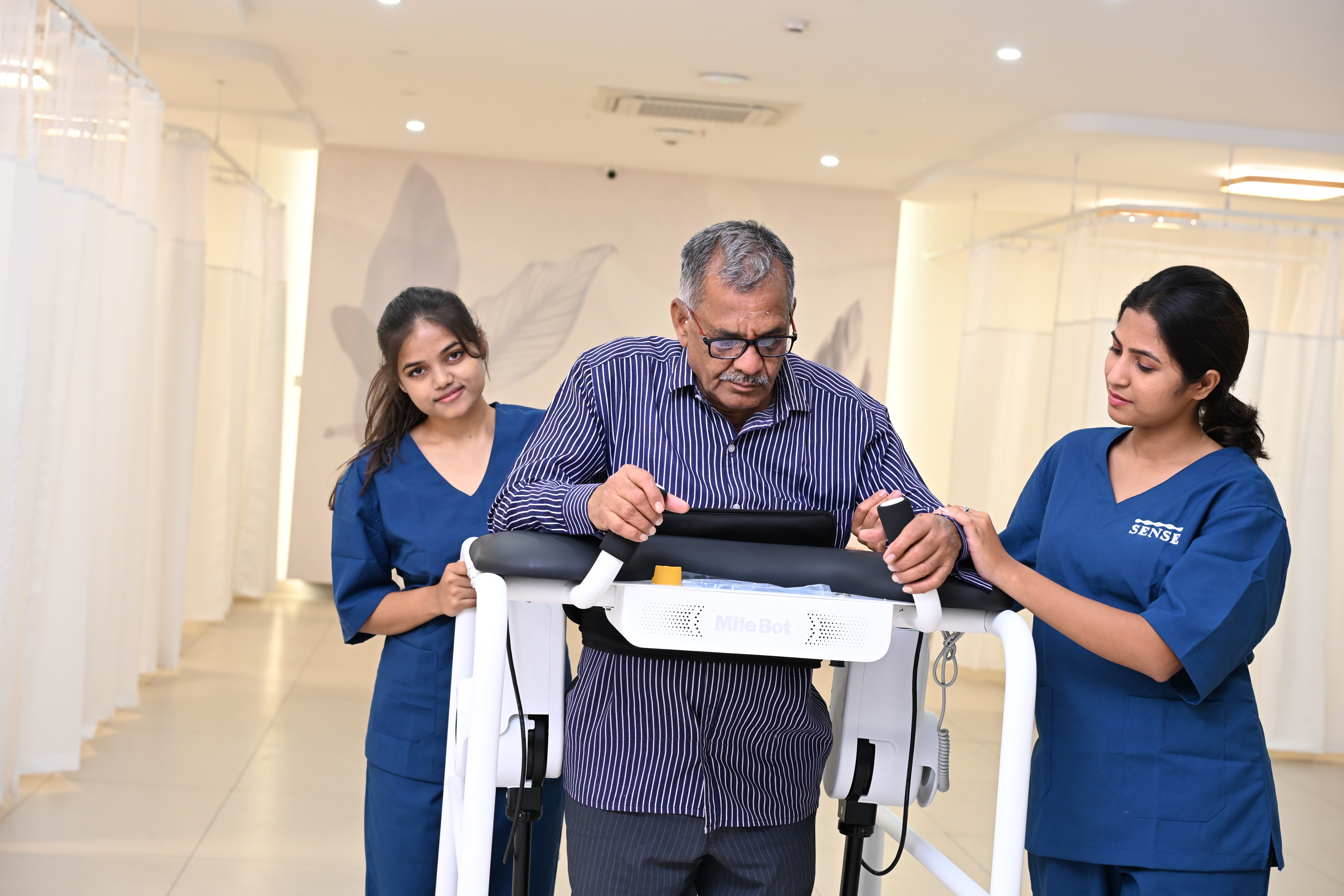
rTMS at SENSE Health, Bangalore
At SENSE Health, rTMS is delivered as part of our integrated stroke and neuro rehabilitation programme — combining brain stimulation with Robotic Gait Training, HBOT, physiotherapy, and occupational therapy for comprehensive multi-modal recovery.
- →Non-invasive, performed fully clothed with no anaesthesia required
- →Personalised stimulation protocols based on stroke type, location, and recovery phase
- →Combined with RAGT and HBOT for synergistic neuroplasticity stimulation
- →Supervised by trained clinicians with appropriate pre-treatment safety screening
- →Available for inpatients and outpatients at Kalyan Nagar, HRBR Layout, Bengaluru
Frequently Asked Questions
What is rTMS (Repetitive Transcranial Magnetic Stimulation)?
rTMS uses a magnetic coil near the scalp to generate painless magnetic pulses that stimulate neurons in targeted brain regions without surgery or anaesthesia. In stroke rehabilitation, it restores the balance of activity between the two brain hemispheres to accelerate recovery.
What does the evidence say about rTMS for stroke?
The 2020 international evidence-based guidelines granted Level A evidence — the highest classification — for inhibitory rTMS in upper limb recovery. A meta-analysis of 19 studies with 865 patients found significant improvements in upper extremity function and Barthel index scores. In clinical practice, 70% of patients improved significantly when rTMS was combined with physiotherapy.
Is rTMS painful or safe?
rTMS is non-invasive, performed while fully clothed and awake. Patients may feel a mild tapping sensation on the scalp. It does not require anaesthesia. All rTMS at SENSE Health is conducted under clinical supervision with thorough pre-treatment safety screening.
How many rTMS sessions are needed for stroke recovery?
The number of sessions depends on the condition, phase of recovery, and individual response. A full clinical assessment at SENSE Health determines the personalised treatment plan. Most protocols involve daily sessions over 2–4 weeks, combined with physiotherapy.
Where can I get rTMS in Bangalore?
SENSE Health at 100 Feet Road, HRBR Layout 1st Block, Kalyan Nagar, Bengaluru 560043 is one of the very few dedicated neuro rehabilitation hospitals in Bangalore offering rTMS therapy. Call +91 9663334659 to book a free consultation.
Start rTMS Therapy in Bangalore
Book a free consultation at SENSE Health, Kalyan Nagar to discuss rTMS for your stroke recovery.
WhatsApp Us Call +91 96633 34659