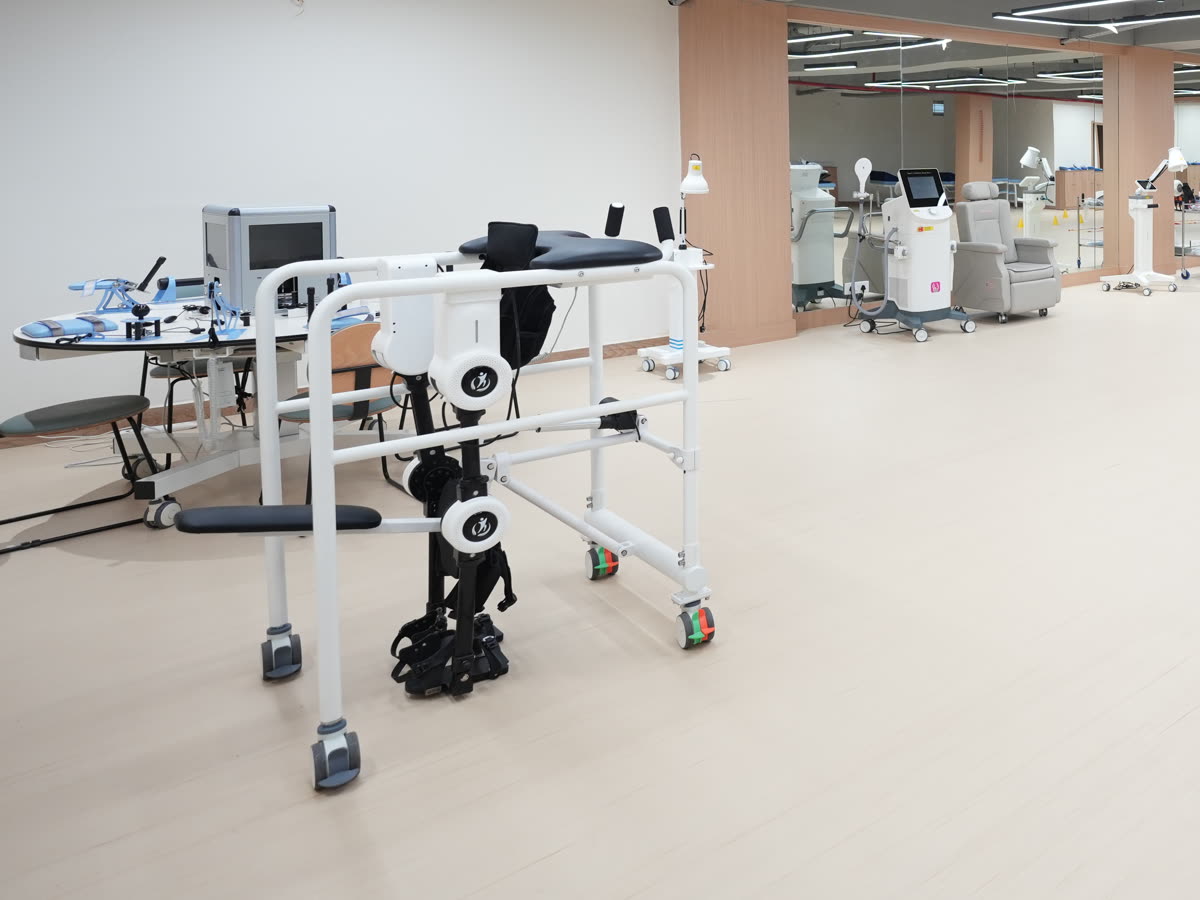
After stroke discharge, families should focus on four things: give every prescribed medicine exactly as advised, keep the person safe from choking, falls and pressure sores, learn the warning signs of another stroke, and start rehabilitation as soon as the medical team says it is safe. The first three months matter most because the risk of a second stroke is highest early on and recovery is usually fastest in the first weeks and months.
This checklist splits those 90 days into four phases, one line per step, so you can print it and tick things off. Where it differs from your doctor's instructions, follow the treating team.
Sudden loss of balance, blurred or double vision, face droop, arm or leg weakness, or slurred speech, even if it goes away: call 108 or 112 immediately.
Why are the first 90 days after a stroke so important?
First, the risk of another stroke is front-loaded. A meta-analysis of 13 studies covering 9,115 stroke survivors (Mohan et al., Stroke, 2011) estimated a pooled risk of recurrence of about 3.1% at 30 days and 11.1% at one year. These figures come from older studies and varied widely, but they show why medicines and blood-pressure control matter from day one.
Second, recovery tends to be fastest early. In a study that followed 101 people after a first ischaemic stroke, Kwakkel and colleagues (Stroke, 2006) noted that neurological and functional recovery happens more rapidly in the initial weeks, with the passage of time alone explaining 16% to 42% of the improvement seen in the first 6 to 10 weeks. Rehabilitation helps make the most of this period, but the door does not close at three months: a meta-analysis of 15 trials (Ferrarello et al., 2011) found physiotherapy still improved function when given six months or more after stroke.
Early rehab does not mean "as much as possible on day one"
The large AVERT trial (Lancet, 2015) randomised 2,104 patients in 56 stroke units to usual care or very early, frequent, higher-dose out-of-bed mobilisation within 24 hours. Fewer patients in the very-early group had a favourable outcome at three months (46% vs 50%). So let the stroke team decide when and how much to mobilise in the first days, then keep therapy regular and progressive once the person is stable.
Before discharge: what should you ask the hospital?
- Ask for the discharge summary and keep all CT/MRI reports together in one folder.
- Ask which type of stroke it was, ischaemic (clot) or haemorrhagic (bleed), and its likely cause.
- Get a written medicine list with the dose, timing and purpose of every tablet.
- Ask whether swallowing is safe, and which food and liquid textures are allowed.
- Ask the therapist to show you how to position the weak arm and how to move the person from bed to chair.
- Ask what blood-pressure, blood-sugar and cholesterol targets the doctor wants.
- Write down the dates of follow-up visits and any pending tests.
- Ask for a rehabilitation plan covering physiotherapy, occupational therapy and speech therapy as needed.
- Arrange a suitable mattress, commode, walker or wheelchair and BP monitor, and check stairs and toilet access at home.
Week 1 at home: what are the daily priorities?
- Give medicines at fixed times using a pill organiser, and never stop or skip one without the doctor's advice.
- Antiplatelets (such as aspirin or clopidogrel) or anticoagulants are chosen for a specific reason, so never swap them yourself.
- Check and record blood pressure as often as the doctor advises.
- Sit the person fully upright for every meal and drink, and stay with them while they eat.
- Stop feeding and call the doctor if there is coughing, choking, a wet or gurgly voice, or fever after meals.
- Support the weak arm on a pillow when sitting or lying, and never pull on that arm to lift or turn them.
- Change position in bed regularly, and check heels, hips and the lower back every day for redness.
- Keep skin clean and dry, and set a regular toilet routine for bladder and bowels.
- Watch for constipation or reduced urine, and give fluids within the limits of the swallowing plan.
- Help the person move only in the ways the therapist has taught, and clear floors of loose rugs and wires.
- Get urgent medical help for a swollen, painful calf or sudden breathlessness.
- Keep 108/112, the discharge summary and the medicine list near the door.
Why so much focus on swallowing?
Swallowing difficulty (dysphagia) can let food or liquid enter the lungs. A meta-analysis of Indian studies (Krishnamurthy et al., 2022) found a pooled dysphagia rate of about 48% among stroke patients, and pneumonia was far more frequent in those with dysphagia than in those without. Our guide to swallowing therapy after stroke explains how it is assessed and treated.
Why protect the weak shoulder?
Hemiplegic shoulder pain (pain in the shoulder on the paralysed side) is a well-known complication. A 2023 review (Struyf et al.) stresses that correct positioning and careful handling of the weak shoulder help prevent it, so support the arm, never pull on it, and ask the physiotherapist to teach you safe transfers.
What about blood clots in the legs?
People who cannot walk after a stroke risk deep vein thrombosis (DVT), a clot in the leg veins. In the CLOTS 3 trial (Lancet, 2013), intermittent pneumatic compression sleeves reduced clots in the thigh-level (proximal) leg veins within 30 days from 12.1% to 8.5% in immobile stroke patients. Ask the team what prevention your family member needs.
Weeks 2–4: how do you build a daily routine?
- Start or continue regular therapy sessions at home, as an outpatient or as an inpatient.
- Practise what the therapist teaches every day between sessions, because repetition drives progress.
- If speech is affected, use short sentences and give plenty of time to respond.
- Follow the speech therapist's communication plan (see our aphasia rehabilitation guide).
- Expect tiredness, and plan short activity blocks with rest in between.
- Watch mood: loss of interest, tearfulness, irritability or refusing therapy can signal depression.
- Take the BP log, sugar readings and medicine list to the first follow-up visit.
- Keep up fall prevention: a night light, grab bars near the toilet and non-slip footwear.
- Ask your doctor before driving, returning to work or travelling long distances.
Fatigue and low mood are common and treatable
Fatigue is not laziness. A meta-analysis (Cumming et al., International Journal of Stroke, 2016) put the pooled prevalence of post-stroke fatigue at about 50%. Depression is common too: a meta-analysis of 61 studies (Hackett and Pickles, 2014) found that, at any given time in the first five years after a stroke, about 31% of survivors have depression. Both can slow rehabilitation if missed. Our article on depression after stroke explains what to watch for and how it is treated.
Months 2–3: what should progress look like?
- Review goals with the therapy team every few weeks and set new, specific ones.
- Build independence step by step in dressing, bathing, toileting and walking, as advised.
- Keep every medicine going and attend every follow-up, because prevention is lifelong.
- Re-check blood pressure, sugar and cholesterol with the doctor.
- Decide with the team whether therapy should continue at home, as an outpatient or as an inpatient.
- Encourage social contact: family visits, phone calls and short outings when safe.
- Plan the caregiver's own rest and backup support.
The first 90 days at a glance
| Phase | Key goals | Warning signs |
|---|---|---|
| Before discharge | Know the stroke type, medicines and swallow plan | Unclear medicine list, no follow-up date |
| Week 1 | Safe feeding, skin care, BP log | Choking, fever, red skin, calf swelling |
| Weeks 2–4 | Regular therapy, routine, first follow-up | Low mood, refusing therapy, falls |
| Months 2–3 | More independence, targets met, long-term plan | Rising BP, new weakness, caregiver burnout |
At any phase, a new BE-FAST sign means calling 108 or 112 straight away.
What are the BE-FAST warning signs?
The Indian Council of Medical Research (ICMR) stroke treatment workflow lists the BE-FAST signs:
- Balance: loss of balance or coordination
- Eyes: sudden blurred or double vision
- Face: drooping at the corner of the mouth
- Arm: one arm drifting down or weak
- Speech: slurred speech, or trouble speaking or understanding
- Time: act fast and note the time symptoms started
The same workflow gives intravenous clot-dissolving medicine to eligible patients only within 4.5 hours of onset, so never wait to see whether symptoms settle.
What are the prevention targets after a stroke?
The American Heart Association/American Stroke Association 2021 secondary-prevention guideline (Kleindorfer et al.) sets a goal blood pressure below 130/80 mm Hg for most stroke patients with hypertension. Other headline recommendations include statin treatment for most people after an ischaemic (clot-related) stroke, an LDL cholesterol target below 70 mg/dL for those with atherosclerosis (narrowed, furred-up arteries), an HbA1c of 7% or less for most people with diabetes, antiplatelet medicine rather than anticoagulation after a non-cardioembolic ischaemic stroke, and anticoagulation for most patients with atrial fibrillation. These are general goals; your doctor sets the targets for your family member.
Home, outpatient or inpatient rehabilitation: which is right?
Home therapy suits someone who is medically stable and well supported at home. Inpatient rehabilitation suits someone who needs daily nursing, close medical monitoring or several therapies a day. Our comparison of home physiotherapy and inpatient stroke rehabilitation goes through the trade-offs.
In any setting, look for a team that sets clear goals with the family, offers physiotherapy, occupational therapy and speech and swallow therapy, and measures progress regularly. At SENSE Health, physiotherapy, occupational therapy and speech and swallow therapy are part of stroke rehabilitation, inpatients have 24/7 doctors and nursing, and home care across Bengaluru covers in-home physiotherapy, nursing and rehabilitation support. Read more about our stroke rehabilitation programme and the full list of services we offer.
How do you look after yourself as a caregiver?
A 2024 meta-analysis of studies from developing countries (Alemayehu et al.) found depression in about 49% of stroke caregivers, and longer caregiving was the factor most linked to it.
- Share tasks across the family, even in a joint family where one person usually carries most of the load.
- Take a short break every day, and a longer one each week.
- Tell your own doctor if you feel low, anxious or exhausted for more than a couple of weeks.
- For toll-free, 24/7 mental-health support, call the government's Tele-MANAS helpline on 14416 or 1-800-891-4416.
Getting Stroke Rehabilitation Help in Kalyan Nagar and North-East Bengaluru
If your family member has just come home from hospital, or is about to, an early rehabilitation assessment helps you plan the next 90 days. SENSE Health is on AVR Heights, 100 Feet Road, HRBR Layout, Kalyan Nagar, easily reached from Banaswadi, Hennur, Kammanahalli and Indiranagar.
What to bring: the discharge summary, CT/MRI reports, the current medicine list, your BP and sugar log, and a list of questions. The initial consultation is free. We will look at movement, swallowing, speech and daily activities, explain the options (OPD, home care or inpatient rehabilitation) and give you a written care plan with full cost details before any admission. For insurance, ask our admissions team to check your policy.
- Address: AVR Heights, 100 Feet Road, HRBR Layout 1st Block, Kalyan Nagar, Bengaluru 560043
- OPD hours: Monday to Saturday, 9 AM to 7 PM
- Call: +91 96633 34659
- WhatsApp: WhatsApp us
- Email: listen@sensehealth.co.in
- Directions: Open in Google Maps
Sources
- Mohan KM, Wolfe CD, Rudd AG, et al. Risk and cumulative risk of stroke recurrence: a systematic review and meta-analysis. Stroke. 2011. PubMed
- Kwakkel G, Kollen B, Twisk J. Impact of time on improvement of outcome after stroke. Stroke. 2006. PubMed
- Ferrarello F, Baccini M, Rinaldi LA, et al. Efficacy of physiotherapy interventions late after stroke: a meta-analysis. Journal of Neurology, Neurosurgery and Psychiatry. 2011. PubMed
- AVERT Trial Collaboration group. Efficacy and safety of very early mobilisation within 24 h of stroke onset (AVERT): a randomised controlled trial. Lancet. 2015. PubMed
- Krishnamurthy R, Balasubramanium RK, Premkumar PK. Systematic review and meta-analysis of dysphagia and associated pneumonia in patients with stroke from India. American Journal of Speech-Language Pathology. 2022. PubMed
- Struyf P, Triccas LT, Schillebeeckx F, Struyf F. The place of botulinum toxin in spastic hemiplegic shoulder pain after stroke: a scoping review. International Journal of Environmental Research and Public Health. 2023. PMC
- CLOTS Trials Collaboration. Effectiveness of intermittent pneumatic compression in reduction of risk of deep vein thrombosis in patients who have had a stroke (CLOTS 3). Lancet. 2013. PubMed
- Cumming TB, Packer M, Kramer SF, et al. The prevalence of fatigue after stroke: a systematic review and meta-analysis. International Journal of Stroke. 2016. PubMed
- Hackett ML, Pickles K. Part I: frequency of depression after stroke: an updated systematic review and meta-analysis of observational studies. International Journal of Stroke. 2014. PubMed
- Department of Health Research / ICMR. Standard Treatment Workflow: Image Guided Management of Stroke. 2024. ICMR
- Kleindorfer DO, Towfighi A, Chaturvedi S, et al. 2021 Guideline for the Prevention of Stroke in Patients With Stroke and Transient Ischemic Attack (AHA/ASA). Stroke. 2021. Key points summarised by the American College of Cardiology; PubMed
- Alemayehu TT, Wassie YA, Tadesse G, et al. Prevalence of depression and associated factors among caregivers of stroke survivors in developing countries: a systematic review and meta-analysis. Current Problems in Cardiology. 2024. PubMed
- Ministry of Health and Family Welfare. Tele-MANAS press releases. Press Information Bureau. 2022 and 2024. PIB 2022, PIB 2024
This article is for general education and does not replace advice from your own doctor. If symptoms are sudden or severe, call 108 or go to the nearest emergency department.