Post-intensive care syndrome (PICS) is the name for new or worsening problems with physical strength, thinking or mental health that begin after a critical illness and last beyond the hospital stay. It is common: in one large study, around a third of ICU survivors still had thinking problems a year later. Post-ICU rehabilitation, meaning a structured, team-based programme of physiotherapy, breathing and swallow care, occupational therapy and emotional support, can help people rebuild their lives after the ICU.
If your parent, spouse or child has just come home after days or weeks on a ventilator, this guide explains what you might see, why it happens, and what actually helps.
What Is Post-Intensive Care Syndrome?
The term was agreed at a Society of Critical Care Medicine stakeholder conference, reported by Needham and colleagues in 2012. They defined PICS as new or worsening problems in physical, cognitive or mental health arising after critical illness and persisting beyond acute hospital care. Importantly, they noted that the term can apply to a survivor or a family member.
The family version is called PICS-Family (PICS-F). Relatives who sat outside the ICU for weeks can develop anxiety, acute stress, post-traumatic stress, depression and complicated grief. A 2012 review by Davidson and colleagues reported that these problems may last more than four years after ICU discharge, and that they can affect a relative's ability to provide care at home.
How Common Are These Problems?
Research shows these problems are common, especially after a long ICU stay.
- Muscle weakness: A systematic review found ICU-acquired weakness in 40% of patients studied (1,080 of 2,686), most of whom had been on a ventilator for seven days or more.
- Delirium and thinking problems: In the BRAIN-ICU study (Pandharipande et al., New England Journal of Medicine, 2013) of 821 adults with respiratory failure or shock, 74% developed delirium in hospital. At 3 months, 40% had global thinking scores similar to people with moderate traumatic brain injury, and 26% had scores similar to mild Alzheimer's disease. At 12 months, those figures were still 34% and 24%. Problems occurred in younger as well as older patients, and a longer spell of delirium was linked to worse thinking scores later.
- Depression: A meta-analysis of 38 studies found clinically important depressive symptoms in about one-third of ICU survivors, persisting through the first year.
- Anxiety: Pooled data showed anxiety symptoms in 32% of survivors at 2–3 months, 40% at 6 months and 34% at 12–14 months.
- Post-traumatic stress: About one in five survivors had clinically important post-traumatic stress symptoms at one year, more often in those with frightening memories of the ICU.
Post-ICU Syndrome at a Glance
| Domain | Common signs | What helps |
|---|---|---|
| Physical | Weakness, fatigue, breathlessness, swallowing trouble, poor balance | Graded physiotherapy, chest care, swallow therapy, nutrition |
| Cognitive | Poor memory, slow thinking, trouble concentrating or planning | Cognitive exercises, routines, occupational therapy |
| Mental health | Low mood, anxiety, nightmares, flashbacks of the ICU | Early screening, counselling, referral when needed |
| Family | Exhaustion, anxiety, low mood in carers | Information, involvement in care, carer breaks |
What Families Notice in the First Weeks at Home
ICU survivors often look "better" than they feel. In the first weeks, families commonly describe:
- Legs that give way, difficulty getting out of bed or climbing the stairs in an apartment
- Tiring after a short walk or even after a bath
- Breathlessness on effort, a weak cough or phlegm that is hard to bring up
- Forgetting conversations, repeating questions, losing track of medicines
- Disturbed sleep, vivid dreams or fear of being alone at night
- Irritability, tearfulness or withdrawal from family life
- Coughing or a wet voice while eating or drinking
Swallowing after a breathing tube
A breathing (endotracheal) tube passes through the voice box, and swallowing problems afterwards are frequent. A 2021 meta-analysis of 38 studies found post-extubation dysphagia in 41% of critically ill adults, and over a third of those with dysphagia aspirated silently, meaning food or fluid went into the airway without an obvious cough. This is why a formal swallow assessment by a speech-language therapist matters before normal meals resume. Our guide to dysphagia and swallow therapy explains how this is assessed.
Breathlessness and chest care
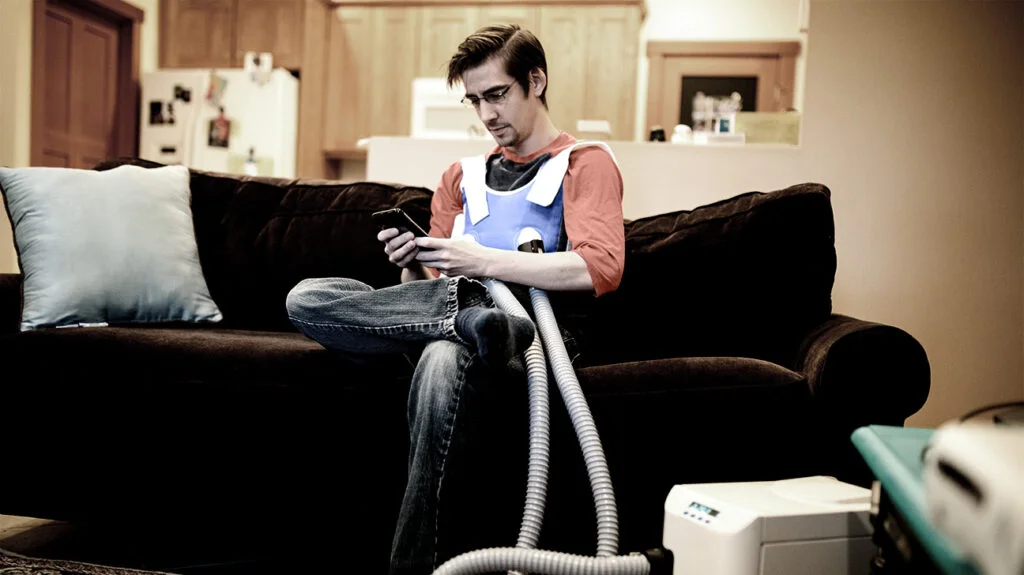
After pneumonia, a long time on a ventilator or a tracheostomy, clearing phlegm can be hard. Chest physiotherapy, breathing exercises and techniques such as vibration therapy for mucus clearance can help, alongside the medical plan from the treating doctor. At SENSE Health, a dedicated respiratory therapist is available 24/7 for patients with a tracheostomy or on a ventilator; see our page on tracheostomy care.
Warning Signs That Need Urgent Help
Emergency: Call 108 or 112, or go to the nearest emergency department, for breathlessness at rest or getting rapidly worse, chest pain, new or sudden confusion or drowsiness, choking or repeated coughing with food, high fever with shivering, or sudden weakness of the face, arm or leg.
Do not stop or change any medicine prescribed at discharge without speaking to the treating doctor first.
What Does Good Post-ICU Rehabilitation Include?
The UK's NICE guideline on rehabilitation after critical illness in adults (CG83, published 2009 and last reviewed by NICE in 2018 with no new evidence found that affects its recommendations) sets out a clear pathway:
- Identify people at risk of physical and non-physical problems, and start rehabilitation as early as is clinically possible
- Offer an individualised, structured rehabilitation programme, developed and delivered by a multidisciplinary team, with rehabilitation goals agreed with the patient and family
- Before discharge home, assess physical, sensory and communication problems, anxiety, depression, trauma-related stress, thinking and behaviour, and social care needs
- Consider a supported, structured self-directed rehabilitation manual for at least 6 weeks after leaving critical care
- Review people with rehabilitation needs 2 to 3 months after ICU discharge, face to face, and refer on if recovery is slower than expected or new problems appear
- Refer people with symptoms of trauma-related stress, and follow stepped-care pathways if anxiety or depression is suspected
An American Thoracic Society guideline on ICU-acquired weakness (Fan et al., 2014) notes that physical rehabilitation improves outcomes in mixed groups of ICU patients, while calling for more trials specifically in people with ICU-acquired weakness.
Do ICU diaries and follow-up clinics help?
The evidence is mixed, and families deserve an honest answer. An ICU diary is a simple record, written by staff and relatives, of what happened while the patient was sedated. A Cochrane review (Ullman et al., 2015) found minimal trial evidence of benefit for patients, though one small study suggested lower post-traumatic stress symptoms in family members. A large French trial in JAMA (Garrouste-Orgeas et al., 2019) found that diaries did not significantly reduce post-traumatic stress symptoms at 3 months. On the other hand, a 2015 meta-analysis (Parker et al.) found that in European studies diaries were linked with fewer post-traumatic stress symptoms, while a nurse-led ICU follow-up clinic did not reduce them. Keeping a diary is low-cost and some families find it meaningful, but it should not replace screening and support.
Looking After the Family Too
Carers in Bengaluru often juggle hospital visits, work, traffic and children, sometimes alongside elderly parents. Under PICS-F, exhaustion and anxiety are expected, not a sign of weakness. Davidson and colleagues describe good communication and involving families in care and decisions as possible ways to reduce long-term distress. Ask questions, accept help from relatives, and tell the care team if you are not sleeping or coping.
Post-ICU Step-Down Care at SENSE Health
When choosing where your relative goes after ICU, look for close medical monitoring in the early days, daily therapy that is adjusted to fatigue, chest and swallow expertise, and a team that talks to the family.
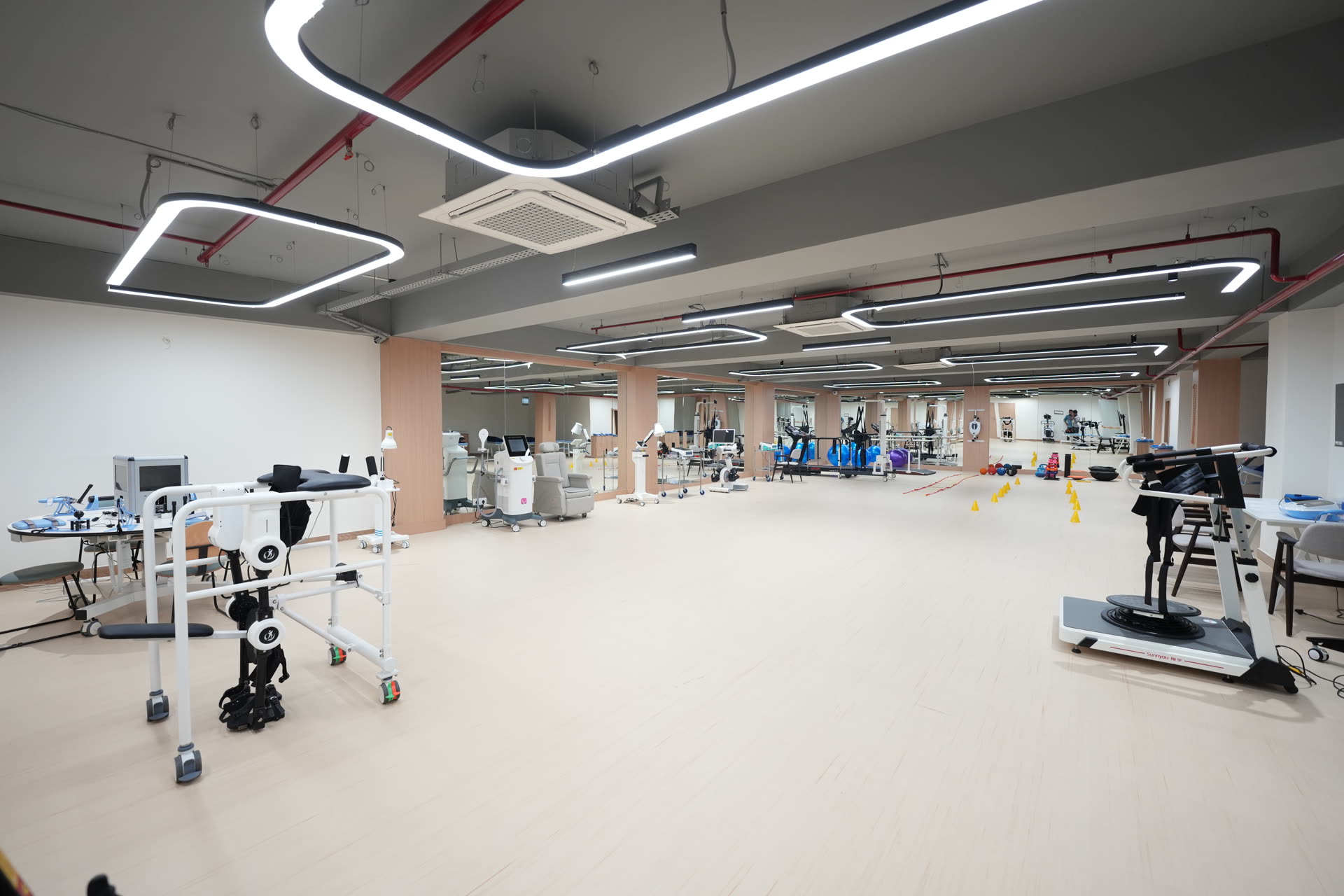
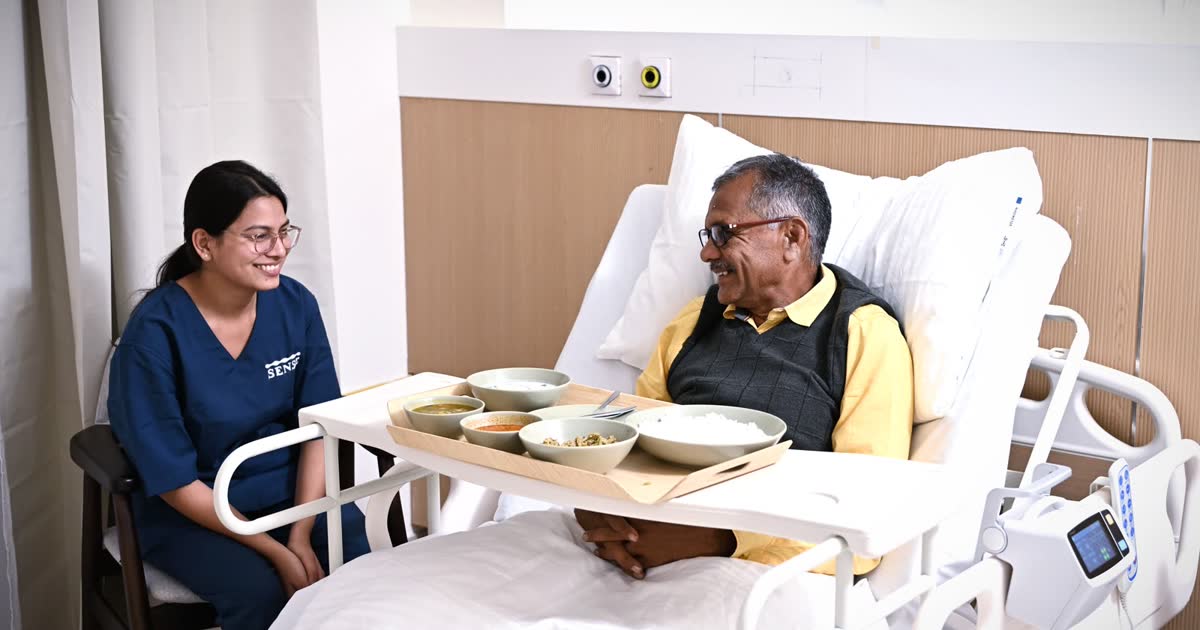
At SENSE Health, post-ICU recovery is one of the conditions we care for, with ICU/HDU support and post-ICU step-down care. Inpatients have 24/7 doctors and 24/7 nursing, and our Smart ICU monitoring with Cloudphysician adds round-the-clock AI-supported video and vital-sign monitoring for people who are still medically fragile. Rehabilitation can include physiotherapy, chest vibration and respiratory therapy, swallow therapy, occupational therapy, clinical nutrition, and home physiotherapy and nursing across Bengaluru once your loved one is ready to go home. For people recovering from nerve-related paralysis after ICU, see our guide to GBS recovery.
Getting Started in Kalyan Nagar and Nearby Areas
SENSE Health is at AVR Heights, 100 Feet Road, HRBR Layout 1st Block, Kalyan Nagar, Bengaluru 560043, close to Banaswadi, Kammanahalli, Hennur, HRBR Layout and Ramamurthy Nagar. The initial consultation is free.
If your relative is still in the ICU or ward, we can discuss a step-down or inpatient rehabilitation assessment before discharge. Please share:
- The latest discharge summary or ICU summary
- Details of oxygen needs, tracheostomy, feeding tube or catheter
- The current medicine list
- A short note on what the person can do now (sit up, stand, eat, talk)
If your relative is already home, visit our OPD Monday to Saturday, 9 AM to 7 PM for an assessment. For insurance, ask our admissions team to check your policy and help with pre-authorisation.
Call +91 96633 34659, WhatsApp us, email listen@sensehealth.co.in, or get directions.
Sources
- Needham DM, et al. Improving long-term outcomes after discharge from intensive care unit: report from a stakeholders' conference. Critical Care Medicine. 2012.
- Davidson JE, Jones C, Bienvenu OJ. Family response to critical illness: postintensive care syndrome-family. Critical Care Medicine. 2012.
- Appleton RT, Kinsella J, Quasim T. The incidence of intensive care unit-acquired weakness syndromes: a systematic review. Journal of the Intensive Care Society. 2015.
- Pandharipande PP, et al. Long-term cognitive impairment after critical illness. New England Journal of Medicine. 2013.
- Rabiee A, et al. Depressive symptoms after critical illness: a systematic review and meta-analysis. Critical Care Medicine. 2016.
- Nikayin S, et al. Anxiety symptoms in survivors of critical illness: a systematic review and meta-analysis. General Hospital Psychiatry. 2016.
- Parker AM, et al. Posttraumatic stress disorder in critical illness survivors: a metaanalysis. Critical Care Medicine. 2015.
- McIntyre M, et al. Post-extubation dysphagia incidence in critically ill patients: a systematic review and meta-analysis. Australian Critical Care. 2021.
- National Institute for Health and Care Excellence. Rehabilitation after critical illness in adults (CG83). NICE. 2009, reviewed 2018.
- Fan E, et al. An official American Thoracic Society clinical practice guideline: the diagnosis of intensive care unit-acquired weakness in adults. American Journal of Respiratory and Critical Care Medicine. 2014.
- Ullman AJ, et al. Intensive care diaries to promote recovery for patients and families after critical illness: a Cochrane systematic review. International Journal of Nursing Studies. 2015.
- Garrouste-Orgeas M, et al. Effect of an ICU diary on posttraumatic stress disorder symptoms among patients receiving mechanical ventilation: a randomized clinical trial. JAMA. 2019.
This article is for general education and does not replace advice from your own doctor. If symptoms are sudden or severe, call 108 or go to the nearest emergency department.