Hyperbaric oxygen therapy (HBOT) is generally safe when it is prescribed by a doctor, the patient is screened beforehand, and treatment is given in a proper medical chamber by trained staff. The most common side effects are ear discomfort and temporary short-sightedness; serious problems such as oxygen seizures are rare. Safety, however, is not the same as effectiveness, and for stroke and brain injury HBOT is still an emerging, adjunct therapy rather than a standard treatment.
Below are plain answers to twelve questions families often ask before agreeing to HBOT.
1. What Is Hyperbaric Oxygen Therapy?
HBOT means breathing 100% oxygen inside a chamber where the air pressure is raised above normal. Clinical definitions describe a pressure of at least 1.4 atmospheres absolute (ATA).
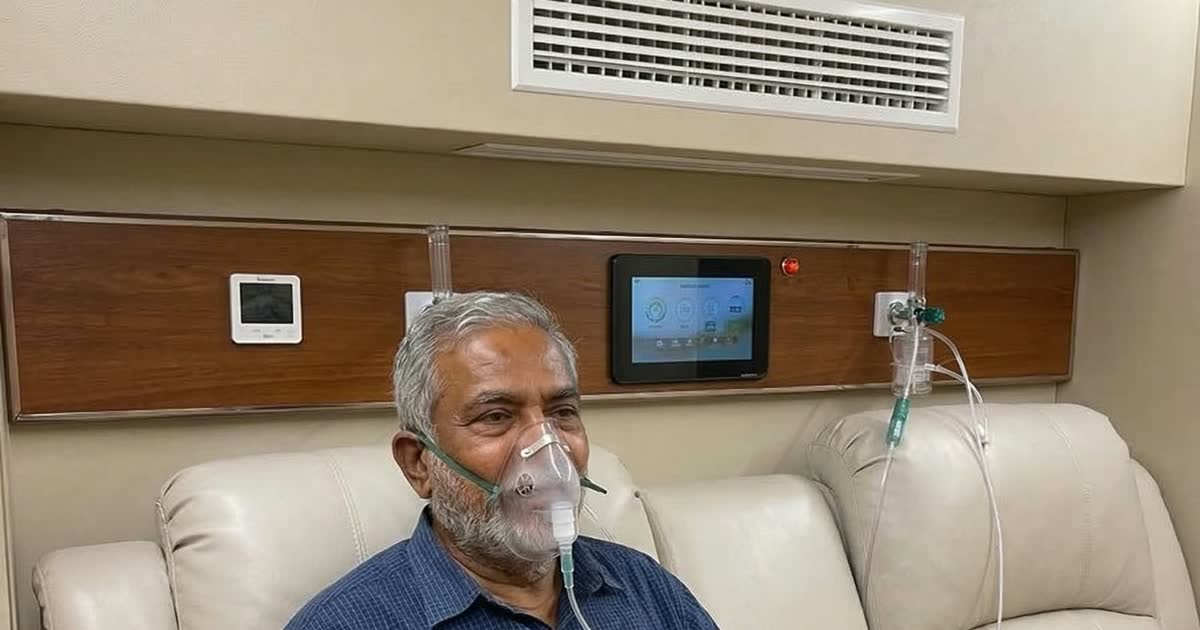
Under pressure, more oxygen dissolves into the blood and reaches tissues. The US Food and Drug Administration (FDA) describes two main chamber types: a tube large enough for one person (a monoplace chamber), or a room that can treat several people at once (a multiplace chamber), where oxygen is usually given through a mask or hood.
2. Is HBOT Safe?
For approved uses, yes: the FDA states that when chambers are used for cleared indications, HBOT is generally safe and serious complications are rare. A 2017 review in Advances in Wound Care (Heyboer et al.) called it "among the safest therapies used today".
That safety depends on three things: careful medical screening, a properly built medical chamber, and trained supervision. Pure oxygen under pressure is also a fire risk. The FDA warns that explosions and fires have occurred in chambers that had not been reviewed by the agency and were located at unaccredited facilities.
3. What Are the Common Side Effects of HBOT?
The common side effects are ear and sinus pressure or pain, and temporary changes in vision. The FDA lists ear and sinus pain, middle-ear injury (including a torn eardrum), temporary vision changes and, rarely, lung collapse.
Other effects described by Heyboer and colleagues include:
- Temporary short-sightedness (myopia): reported in 25–100% of patients after several weeks of treatment at 2 ATA or more. It usually returns to normal within 3–6 weeks of stopping, though it can take 6–12 months. The authors advise not getting a new glasses prescription until at least 8 weeks after the course ends.
- Claustrophobia: present in about 2% of the general patient population; coaching and reassurance usually help.
- A rise in blood pressure during treatment.
- Low blood sugar in people with diabetes (see question 7).
Tell the HBOT team at once if you have severe ear or sinus pain, new hearing loss or ringing, dizziness, or blurred vision. Chest pain, breathlessness or a seizure during or after a session is an emergency: call 108 or 112.
4. How Common Is Ear Barotrauma?
Ear barotrauma is the most common side effect, but most cases are mild. Reported rates vary hugely, from about 2% to 84% in patients who are not on a ventilator, depending on how carefully it is looked for.
In one large series cited by Heyboer and colleagues, the overall rate was 43%; 84% of those cases were minor (eardrum redness or slight bleeding) and there were no eardrum ruptures. Coaching on how to "equalise" the ears, as on an aeroplane, is a key part of prevention. A cold, blocked nose or sinus problem raises the risk of sinus squeeze, and an acute upper respiratory infection is a relative contraindication to non-urgent sessions, so tell the staff if you have one.
5. Can HBOT Cause Seizures?
Yes, but rarely. Breathing oxygen at high pressure can occasionally trigger a seizure, a form of central nervous system oxygen toxicity.
In large published series summarised by Heyboer and colleagues, seizure rates ranged from about 1 in 1,650 to 1 in 40,000 treatments, at pressures between 1.5 and 4 ATA; the authors note that more recent evidence puts the figure at roughly 1 in 2,000 to 3,000 treatments. Higher pressure raises the risk, as do carbon dioxide retention, low blood sugar, an overactive thyroid, carbon monoxide poisoning, and brain tumours or radiation damage to the brain. An isolated oxygen seizure has not been linked to lasting harm, and short "air breaks" during sessions are used to lower the risk.
For stroke and head-injury survivors who already have epilepsy, the treating doctor should review seizure control before HBOT. Never stop seizure medicines on your own.
6. Who Should Not Have HBOT?
People with an untreated pneumothorax (collapsed lung) must not have HBOT; this is the main absolute contraindication. A 2026 clinical review in CA: A Cancer Journal for Clinicians also lists gas in the eye (after some eye operations) for non-emergency treatment.
Some medicines need special care or a gap before HBOT, including the cancer drugs bleomycin, doxorubicin and cisplatin, the alcohol-deterrent disulfiram, and the antibacterial burn cream mafenide. Bring every medicine and recent chemotherapy record to your assessment.
Conditions that need a doctor's judgement include asthma or COPD, severe claustrophobia, implanted devices such as pacemakers (compatibility must be checked with the manufacturer), a current cold or fever, and heart failure, where HBOT may cause fluid on the lungs.
7. Is HBOT Safe for Elderly or Diabetic Patients?
Age alone does not rule out HBOT, but older adults are more likely to have the heart, lung, ear and blood-pressure issues that need screening. Someone who cannot reliably tell staff about ear pain or discomfort needs particularly close observation.
For people with diabetes, Heyboer and colleagues describe low blood sugar during HBOT as "a legitimate concern" but note that clinically relevant hypoglycaemia is not common. Many centres check blood glucose before each session; eat as normal and bring your diabetes medicines and glucose readings. Diabetic foot ulcers are, in fact, one of the conditions for which hyperbaric chambers are FDA-cleared.
8. Hard-Shell Medical Chambers vs "Mild" Soft Chambers: What Is the Difference?
They are very different devices. Medical hyperbaric chambers are built to deliver 100% oxygen at treatment pressure, under medical supervision.
The soft, zippered, inflatable bags sometimes marketed as "mild HBOT" are, according to the FDA, cleared only to treat altitude sickness. They provide pressure but do not attach to oxygen tanks, and the FDA has not cleared them for use with oxygen tanks or concentrators. It has warned that people who rig these bags into homemade HBOT devices face risks of fire and suffocation.
9. What Is HBOT Approved For?
HBOT has an established role in a defined list of conditions. The Undersea and Hyperbaric Medical Society (UHMS) lists accepted indications including:
- Air or gas embolism and decompression sickness
- Carbon monoxide poisoning
- Gas gangrene and severe soft-tissue or bone infections
- Selected non-healing wounds, including diabetic foot ulcers
- Delayed radiation injury
- Crush injuries, compromised skin grafts and flaps, and severe burns
- Sudden hearing loss and sudden loss of vision from blocked retinal blood flow
- Severe anaemia when blood transfusion is not possible
The FDA's list of cleared uses is very similar. Stroke and traumatic brain injury are not on either list. The FDA has also warned that claims HBOT can cure cancer, Lyme disease, autism or Alzheimer's disease are unproven.
10. Does HBOT Help Stroke Recovery?
The honest answer is that it may help some people, but the evidence is still developing and HBOT is not yet a standard, guideline-recommended stroke treatment.
- Acute stroke: A Cochrane review (Bennett et al., 2014) of 11 randomised trials with 705 people found no good evidence that HBOT improves outcomes when given early after ischaemic stroke, though it said benefit had not been ruled out.
- Chronic stroke: A trial by Efrati and colleagues (PLoS One, 2013) gave 40 sessions at 2 ATA to people 6–36 months after stroke and reported improvements in neurological function and quality of life, with brain-scan changes. A later analysis of 162 patients from the same Israeli centre (Hadanny et al., 2020) reported clinically significant cognitive improvement in 86%.
These results are encouraging but limited: the trial compared HBOT with no treatment rather than a sham (placebo) session, the 2020 study was retrospective without a control group, and both came from one research group. Larger, blinded trials are still needed.
At SENSE Health, HBOT is used as an adjunct within a full rehabilitation programme, never as a replacement for physiotherapy, occupational therapy and speech therapy, and it is decided case by case after medical screening. For the bigger picture, see our guide to stroke rehabilitation in Bengaluru and, for brain injury, our head injury rehabilitation guide.
11. How Many Sessions Are Needed, and How Long Is Each?
There is no single standard course; it depends on the condition and the protocol. In the chronic-stroke studies above, patients received 40 to 60 sessions, five days a week, each lasting about 90 minutes at 2 ATA.
Before starting, ask your doctor to explain the planned number of sessions, the pressure, how progress will be measured, and when the course will be reviewed or stopped.
12. What Questions Should I Ask an HBOT Centre?
A good centre will welcome these questions:
- Who prescribes HBOT for me, and which doctor reviews my progress?
- What type of chamber is it (monoplace or multiplace), and what pressure will be used?
- Who is present during every session, and what is the emergency plan for a seizure, ear injury or fire?
- What screening will you do first (chest, ears, medicines, blood sugar)?
- What does the evidence say for my specific condition, and how will we measure benefit?
- How does HBOT fit with my therapy programme, and what will the full course cost in writing?
HBOT at SENSE Health, Kalyan Nagar
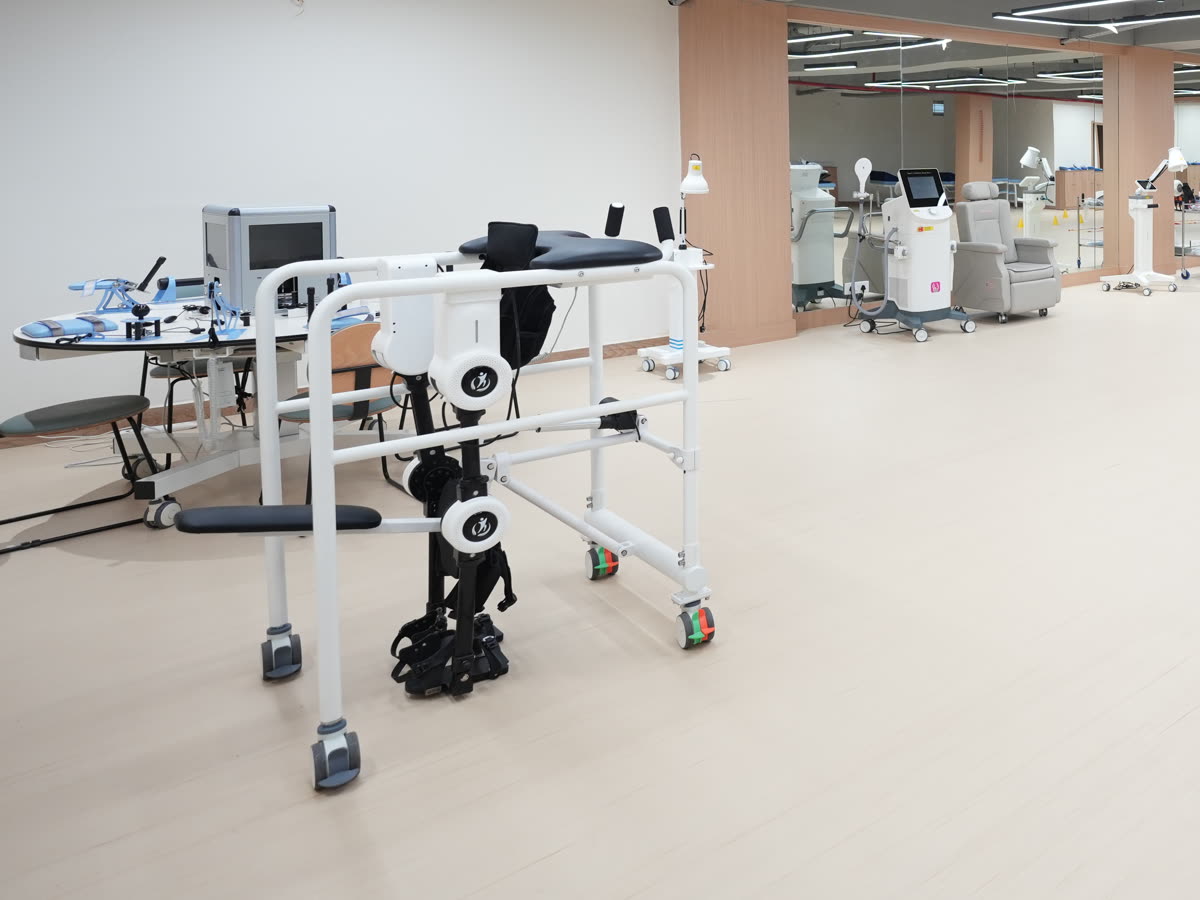
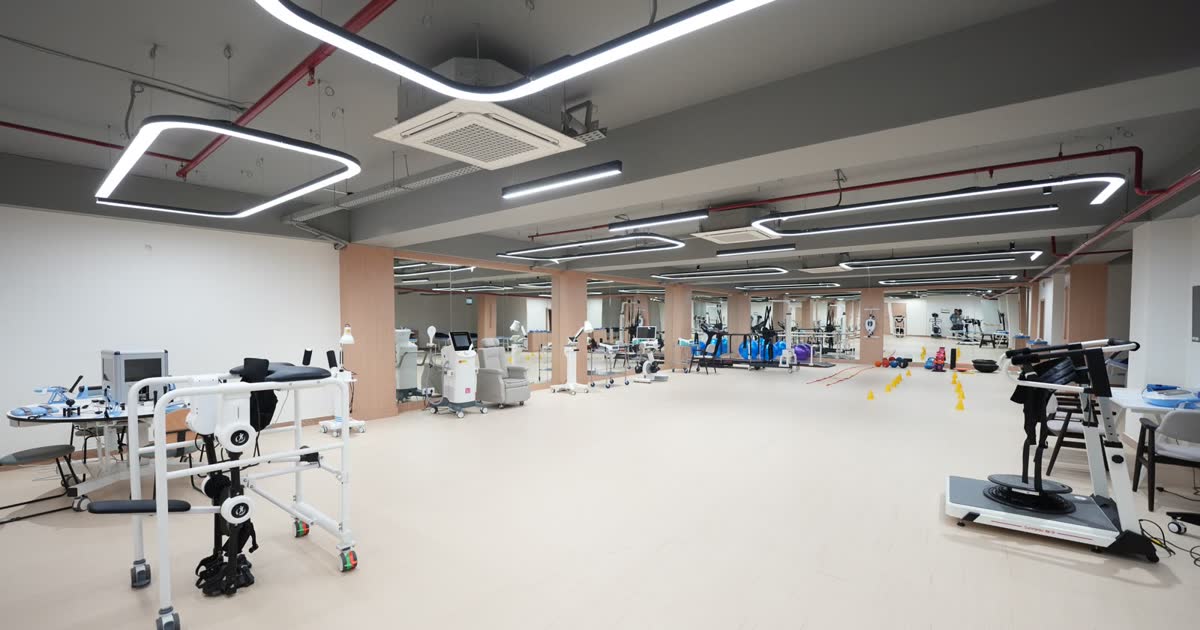
SENSE Health offers hyperbaric oxygen therapy as part of neuro-rehabilitation programmes that also include physiotherapy, occupational therapy, speech and swallow therapy, and robotic-assisted gait training. Please ask us about our chamber type, treatment pressure, supervising staff and emergency protocol at your consultation; we will explain them, along with whether HBOT is appropriate for you at all.
Our OPD at AVR Heights, 100 Feet Road, HRBR Layout 1st Block, Kalyan Nagar, Bengaluru 560043 is open Monday to Saturday, 9 AM to 7 PM, and is easy to reach from Hennur, Banaswadi, Kammanahalli, Hebbal and Indiranagar. The initial consultation is free. Please bring:
- Discharge summaries and CT or MRI reports
- A full list of medicines, including any chemotherapy received
- Recent blood sugar readings if you have diabetes
- Notes on any ear, sinus or lung problems
For people who need more intensive support, we can also discuss an inpatient rehabilitation assessment, where any HBOT is combined with your therapy programme, 24/7 doctors and 24/7 nursing. Before admission, you receive a written care plan with full cost details. For insurance, ask our admissions team to check your policy.
Call +91 96633 34659, WhatsApp us, email listen@sensehealth.co.in, or get directions.
Sources
- Gawdi R, Yrastorza J, Cooper JS. Hyperbaric oxygen therapy contraindications. StatPearls (NCBI Bookshelf). 2025.
- US Food and Drug Administration. Hyperbaric Oxygen Therapy: Get the Facts (archived copy; content current as of 26 July 2021). FDA. 2021.
- Heyboer M, et al. Hyperbaric oxygen therapy: side effects defined and quantified. Advances in Wound Care. 2017.
- Dejonckheere CS, et al. Hyperbaric oxygen therapy for chronic radiotherapy-related adverse effects: a clinically focused review. CA: A Cancer Journal for Clinicians. 2026.
- Ortega MA, et al. A general overview on the hyperbaric oxygen therapy: applications, mechanisms and translational opportunities. Medicina (Kaunas). 2021.
- Undersea and Hyperbaric Medical Society. HBO indications. UHMS. 2020.
- Bennett MH, et al. Hyperbaric oxygen therapy for acute ischaemic stroke. Cochrane Database of Systematic Reviews. 2014.
- Efrati S, et al. Hyperbaric oxygen induces late neuroplasticity in post stroke patients: randomized, prospective trial. PLoS One. 2013.
- Hadanny A, et al. Hyperbaric oxygen therapy improves neurocognitive functions of post-stroke patients: a retrospective analysis. Restorative Neurology and Neuroscience. 2020.
This article is for general education and does not replace advice from your own doctor. If symptoms are sudden or severe, call 108 or go to the nearest emergency department.