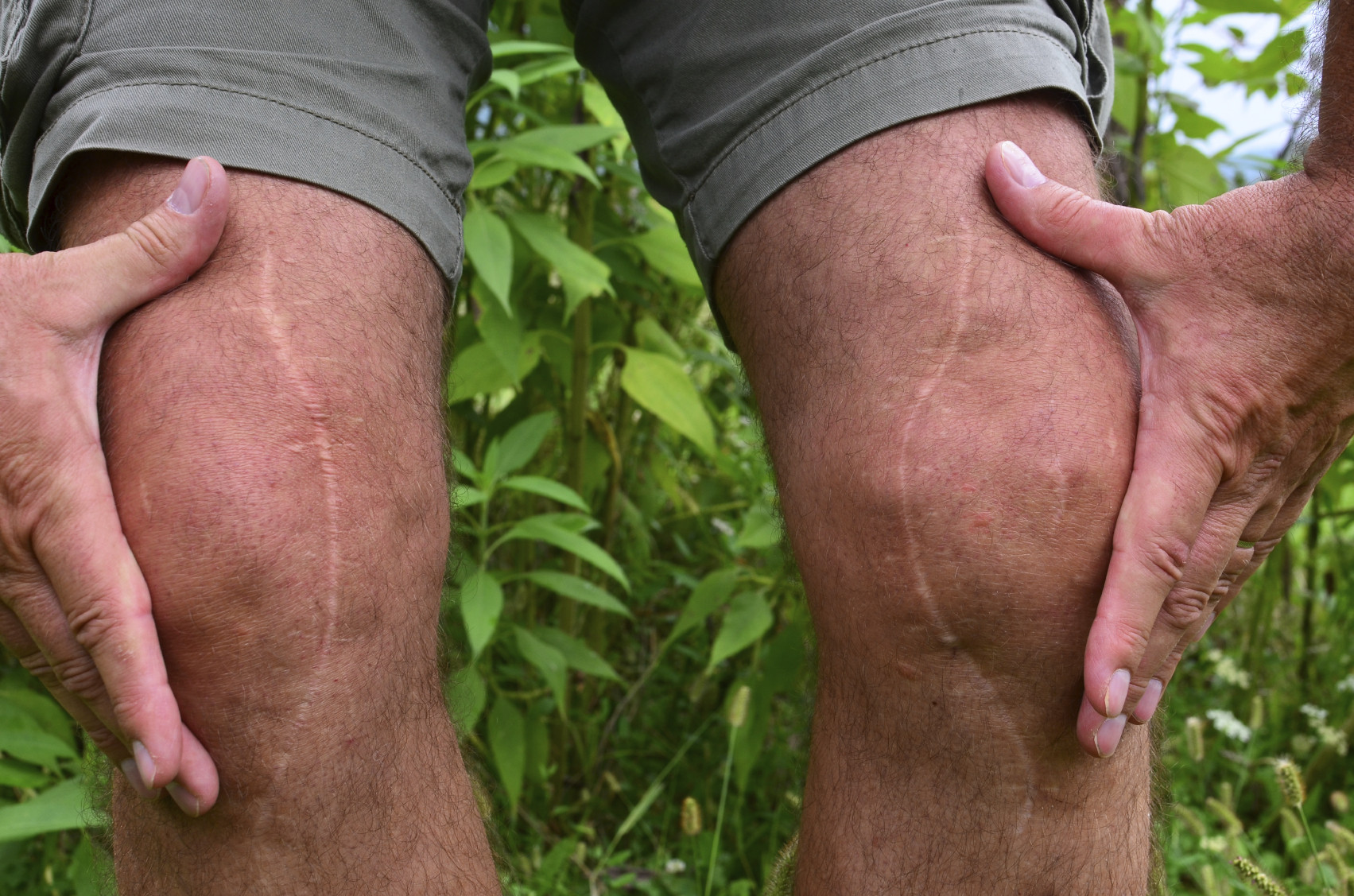
Total Knee Replacement (TKR), also called Total Knee Arthroplasty, is one of the most successful surgeries for severe knee osteoarthritis, rheumatoid arthritis, and chronic joint degeneration. However, the success of the surgery depends heavily on proper rehabilitation before and after the procedure.
At SENSE Health, Bangalore, we provide a structured, evidence-based rehabilitation program designed to reduce pain, restore mobility, strengthen muscles, and help patients regain independence.
Why Rehabilitation Matters After Total Knee Replacement
Even after a successful knee replacement surgery, many patients experience:
- Weak quadriceps and hip muscles
- Stiffness or reduced knee bending
- Difficulty walking or climbing stairs
- Swelling and reduced balance
- Fear of movement
Research consistently shows that a structured rehabilitation program improves strength, function, range of motion, and long-term outcomes, especially for adults over age 45.
Prehabilitation: Preparing for Surgery
Studies show that patients who exercise before surgery recover faster. Prehab focuses on:
- Quadriceps strengthening
- Hip and core strengthening
- Knee mobility and stretching
- Gait training
- Pain and swelling management
Prehabilitation helps reduce complications, speeds up healing, and improves surgical outcomes.
Post-Surgery Rehabilitation Timeline
Phase 1: Immediate Post-Operative (Day 0 – Week 2)
Goals: Reduce pain and swelling, activate muscles, restore basic knee movement, start walking with support.
Key exercises:
- Ankle pumps
- Quadriceps sets
- Straight leg raises
- Heel slides
- Gentle knee extension stretches
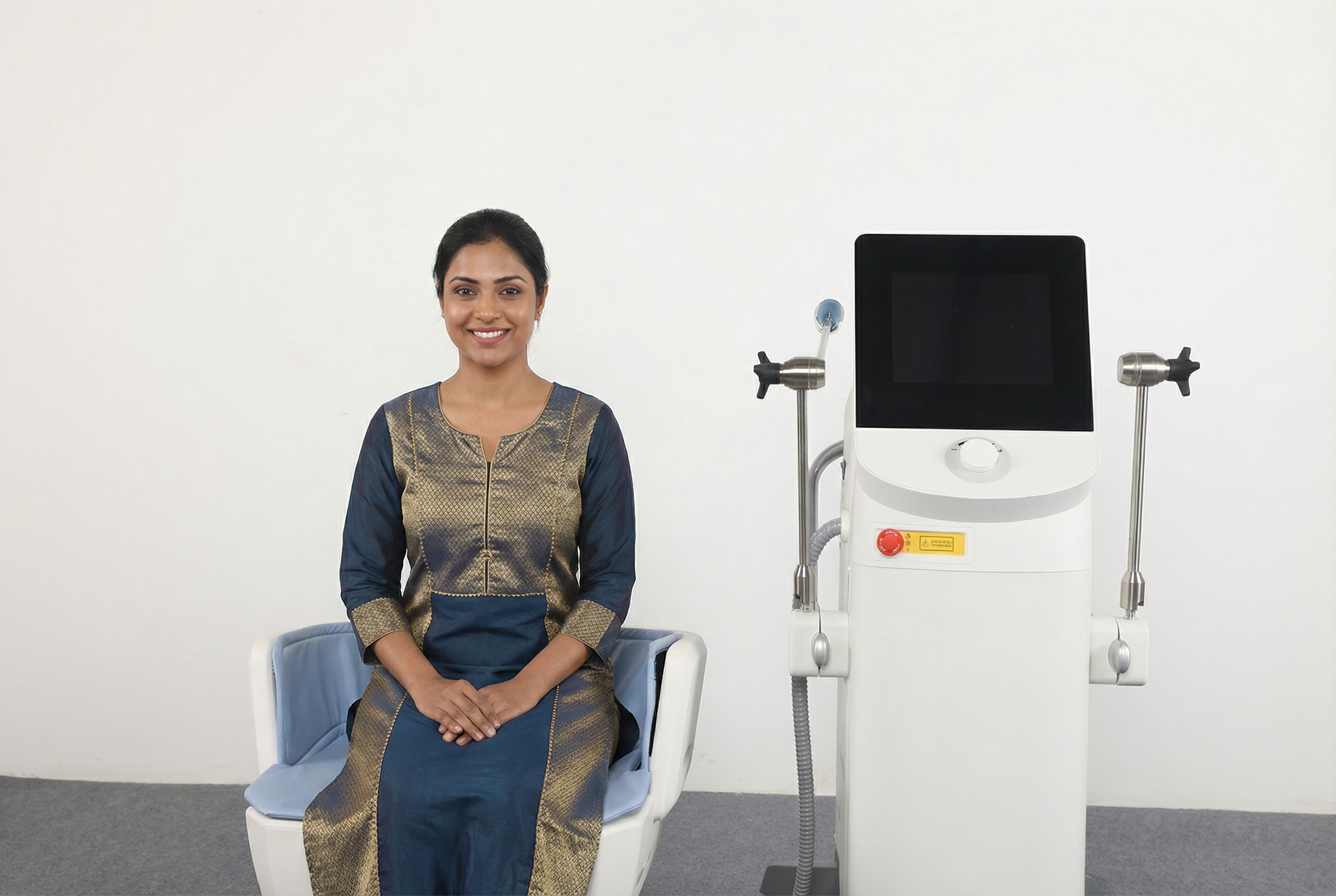
Therapies at SENSE Health: Cryotherapy, compression, early gait training with walker, Neuromuscular Electrical Stimulation (NMES) for weak quadriceps.
Target ROM: 0° extension, 90° flexion
Phase 2: Early Strengthening and Mobility (Week 2 – Week 6)
Goals: Improve knee bending, increase walking tolerance, begin functional strengthening.
Exercises:
- Standing knee bends
- Mini squats (supported)
- Hip abduction and extension
- Step-ups
- Stationary bike (low resistance)
Therapies: Manual therapy, patellar mobilisation, gait correction, balance and proprioception training.
Target ROM: 0°–115°
Patients usually transition from walker → cane → independent walking.
Phase 3: Advanced Strengthening and Functional Training (Week 6 – Week 12)
Goals: Regain full functional strength, improve balance and stability, prepare for daily activities.
Exercises:
- Leg press (low–moderate load)
- Hamstring curls
- Wall squats
- Step-downs
- Cycling with resistance
- Functional movements: sit-to-stand, stair climbing
Target ROM: 120°+
Phase 4: Return to Full Activity (3–6 Months)
Goals: Resume normal lifestyle activities, improve endurance, achieve long-term joint stability.
Many patients regain near-full function by 6 months, although full recovery may take up to 1 year.
Advanced Rehabilitation Options at SENSE Health
SENSE Health provides advanced technologies that accelerate recovery:
- Neuromuscular Electrical Stimulation (NMES)
- Gait Training and Balance Systems
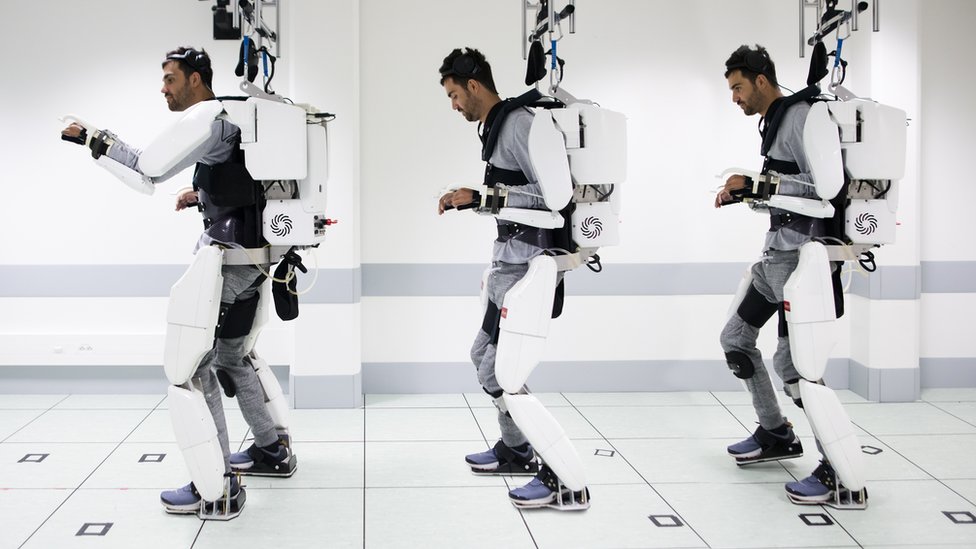
- Robotic Lower-Limb Rehabilitation
- Cryotherapy for swelling control
- Pain management therapies (ultrasound, TENS, laser therapy)
These evidence-based tools are especially beneficial for seniors or patients with weak muscles or slow recovery.
When to Contact Your Doctor Immediately
- Persistent fever
- Increasing redness around incision
- Excessive swelling or fluid discharge
- Severe calf pain (possible blood clot)
- Sudden inability to bear weight
Why Choose SENSE Health for TKR Rehabilitation in Bangalore
- Senior-friendly, safe environment
- Highly trained physiotherapists and rehabilitation specialists
- Individualised rehab plans
- Integration of advanced rehab technologies
- Home-based and centre-based therapy
- Focus on pain control, mobility, and functional independence
"Surgical correction restores structure. Technology-driven rehabilitation restores function."
If you or your loved one is preparing for or recovering from knee replacement surgery, SENSE Health can help ensure a smooth, safe, and strong return to daily life.